Packaging
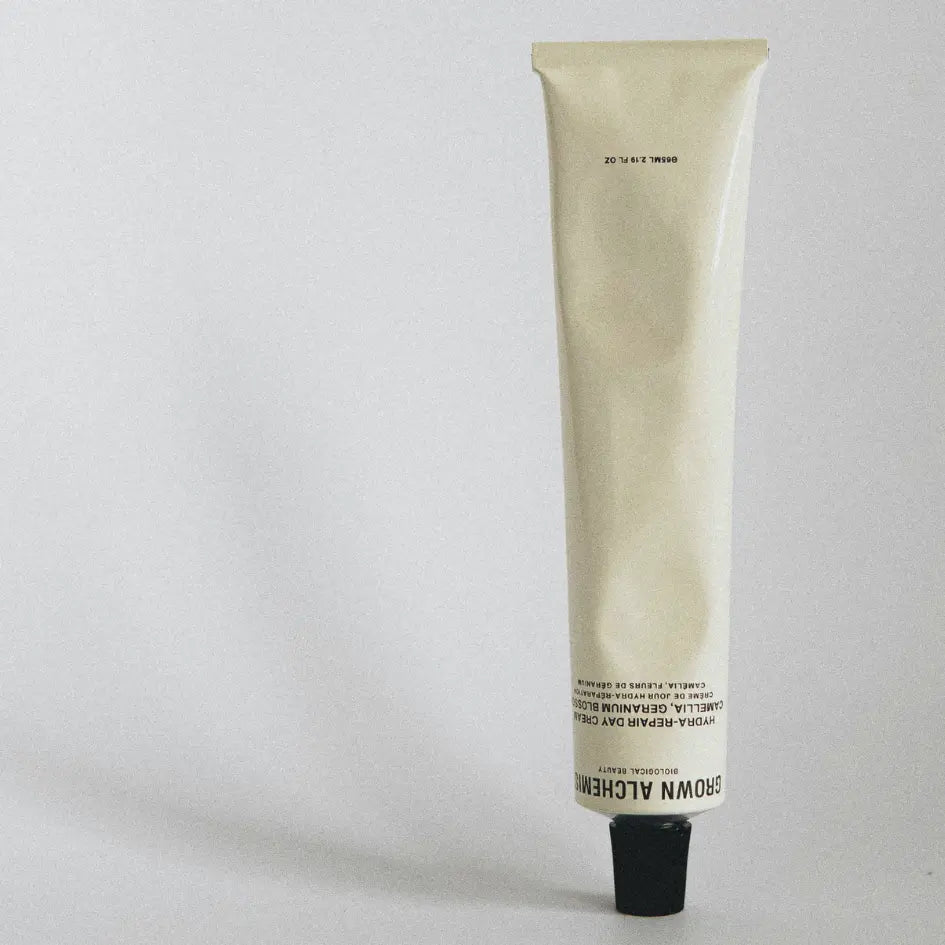
Estée Lauder reports that 76% of its packaging meets at least one of the “5 Rs” (recyclable, refillable, reusable, recycled or recoverable), with a goal of 75–100% by 2025. The brand has eliminated excess cartons or paper where possible, and over 99% of its paperboard cartons are now FSC-certified. However, about a quarter still fails to qualify under the 5 Rs, and many products continue to use mixed materials (plastics, metals) that are not easily recyclable. Heavily reliance on virgin and single use plastics remains a serious concern.
Ingredient Sustainability
Through a Responsible Sourcing program, the company enforces a No Deforestation, No Peat, No Exploitation (NDPE) policy for key forest commodities. Notably, Estée Lauder is a member of the Roundtable on Sustainable Palm Oil (RSPO) and commits that at least 95% of its palm oil and palm-derived ingredients will be certified sustainable by end of 2025. In practice, many Estée Lauder formulations blend synthetic compounds (e.g. petroleum-derived emollients, silicones) with naturally sourced extracts. For instance, a representative serum contains botanical extracts like baobab, yeast ferment, and chamomile alongside petrochemical derivatives (PEGs and silicones).
Overall, the brand shows a commitment to sustainable sourcing of key materials (palm, paper, mica) and increasing use of renewable ingredients, but its formulas still rely on some unsustainable inputs.
Energy Use and Footprint
The Estée Lauder Companies achieved carbon neutrality for its direct operations (Scopes 1 and 2) in 2020, largely by improving energy efficiency, investing in renewables, and procuring high-quality carbon offsets. The company joined the RE100 initiative and met its target of sourcing 100% renewable electricity globally by 2020 for all operations. The brand is also tackling indirect emissions: for example, it has committed to transition 100% of its global corporate vehicle fleet to electric by 2030 (joining the EV100 program). Overall, Estée Lauder’s in-house brand benefits from these enterprise-wide initiatives, resulting in a relatively low operational footprint per product.
Waste Management
As of fiscal 2020, the company achieved zero industrial waste-to-landfill at 100% of its global manufacturing, distribution, and innovation sites. This means all factory and supply chain waste is either reduced, reused/recycled, or converted to energy, rather than sent to landfills. The brand has maintained this commitment going forward and expanded it as new facilities come online.
Business Model
Estée Lauder’s business model is that of a traditional luxury cosmetics brand, but it is gradually evolving to integrate sustainability principles. The brand still relies on selling high-end skincare and makeup in new packaging. Estée Lauder’s core model continues to promote consumption of beauty products, and truly circular models (like package take-back for refilling, or subscription reuse services) are not yet in place.