Packaging
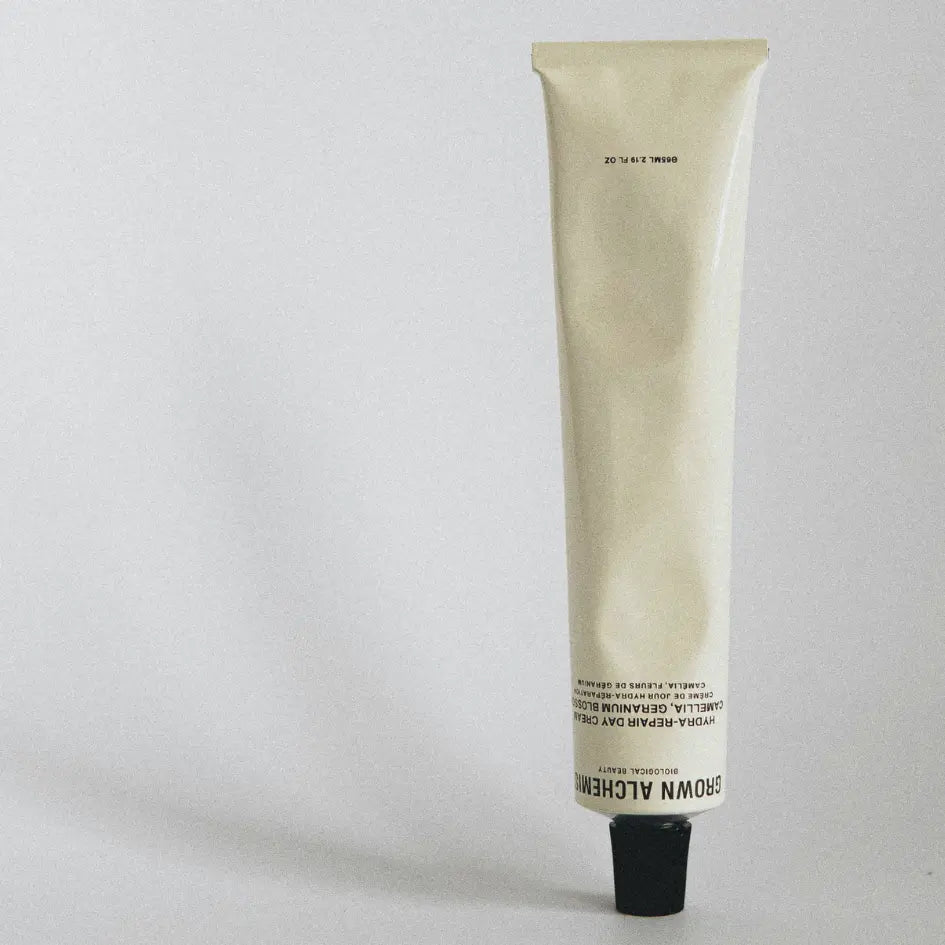
The brand explicitly avoids “eternal plastic,” opting for 100% plastic-free or minimal-plastic alternatives. For example, its deodorants are packaged in biodegradable cardboard push-up tubes that can be recycled or composted. Likewise, BeNat’s cosmetics come in reusable containers, a loose powder product is sold in a refillable bamboo case with a recyclable sifter, and customers can purchase refills in small kraft paper pouches to reuse the original jar. Many items (such as bar soaps, solid shampoos, and face mask powders) are simply wrapped in food-grade kraft paper bags or recyclable paper boxes, eliminating the need for plastic packaging altogether.
Only minor plastic components (e.g. a shaker-top in the body powder tube) appear in some packaging, and those parts are recyclable and kept to a minimum.
Ingredient Sustainability
The brand emphasizes plant-based inputs and states that its ingredients are “sustainably sourced,” often from small family farms or ethically wildcrafted botanicals. Many of the raw materials are renewable and biodegradable. For instance, one of the brand’s in-house powder cosmetics contains simple natural components like tapioca starch and cocoa powder as base ingredients. The company avoids petroleum-derived fillers and harsh synthetic additives in most formulations. In fact, BeNat actively selects suppliers that prioritize sustainable farming and fair trade practices, ensuring that ingredient production supports farming communities without depleting or polluting the environment.
However, there are a few less-sustainable aspects: some BeNat soap bars include palm oil and unspecified “cosmetic fragrance” in their ingredients. Palm oil cultivation is linked to deforestation and habitat loss unless it’s from certified sustainable sources (which the brand has not publicly indicated). Similarly, an “all-natural” makeup item contains FDA-approved synthetic colorants (FD&C Red 40, Yellow 6). These are petroleum-derived and not biodegradable, although used in very small quantities.
Energy Use and Footprint
As a small company handcrafting products in the USA, BeNat inherently operates on a relatively low energy footprint, although the brand does not provide detailed data on energy use or carbon emissions. Production is done in small batches, which suggests lower energy consumption compared to mass manufacturing. BeNat’s emphasis on lightweight, minimal packaging also contributes to a lower overall footprint. Furthermore, many products (shampoo bars, soap bars, etc.) are waterless or solid formulations, which avoids the need to ship heavy water content and potentially lowers the energy spent in production and shipping.
However, it must be noted that BeNat has not publicly disclosed the use of renewable energy, carbon offsets, or any specific initiatives to measure or reduce its manufacturing carbon footprint.
Waste Management
Notably, the brand offers refill options for certain items (such as loose powder makeup), allowing customers to reuse the durable part of the packaging and just replenish the product. In terms of product waste, many BeNat offerings are used fully with little residue (e.g. a solid soap bar that dissolves completely.
Business Model
BeNat’s business model is inherently oriented toward sustainability and conscious consumption. As a brand, BeNat was created to offer eco-friendly, non-toxic alternatives to everyday personal care items. Product releases are limited and the brand mostly offers an evergreen collection of essentials and durable accessories.