


Two days ago we covered the broader momentum behind fewer-packaging makeup formats and what is driving shoppers toward them. Since then, a new piece has landed that shifts the conversation from abstract trend to something more personal.
On June 29, 2026, journalist Emily Atkin published a first-person essay in her newsletter HEATED with a straightforward title: I have plastic chemicals in my pee. The piece describes Atkin testing herself for plastic-related chemical compounds and finding them present. It is not a scientific study, and Atkin does not present it as one. What it is, though, is a readable, honest account of what it feels like to reckon with the idea that everyday plastic contact, including the packaging around personal care products, may be leaving a trace inside the body.
Why this piece lands differently than a data report
Coverage of plastic chemicals in the human body is not new. What makes Atkin's essay notable is the format. First-person health journalism tends to move readers in ways that aggregate data does not. When a credible writer describes finding these compounds in her own body, the abstract becomes concrete. Readers who have been vaguely aware of the issue start asking a more specific question: what am I actually touching every day?
For many people, the answer includes a lot of plastic. Pump bottles, squeeze tubes, compact cases, mascara wands, and lip gloss applicators are almost all made from or packaged in plastic. The beauty and personal care category is one of the most plastic-dense in the average household. That is exactly why minimal packaging beauty and zero waste makeup formats have been gaining ground with shoppers who are paying attention.
The formats that reduce plastic contact most directly
Not all low-packaging swaps are equal. Some reduce shipping waste without changing what you actually touch. Others eliminate plastic from the product itself. If the goal is to reduce daily skin contact with plastic, the formats worth prioritizing are:
- Multi-use makeup sticks and balm sticks. Solid, pressed, or balm-format products in paper, cardboard, or compostable tubes replace multiple plastic-packaged products with one item. Brands like Axiology have built their entire line around this format, with multi-use sticks designed to work on lips, cheeks, and eyes from a single package.
- Pressed powder and mineral formats. Loose and pressed mineral makeup typically ships in glass or metal compacts rather than plastic. IDUN Minerals is one example of a brand working in this space with mineral-based formulas and packaging that leans away from single-use plastic.
- Refillable systems. Some brands now offer refillable compacts and pans, which reduce the total plastic produced even if the outer case is still plastic. This is a meaningful step down from fully disposable packaging, though it is not the same as plastic-free.
- Bar and solid formats for skincare steps that precede makeup. Cleansing bars, solid balms, and bar-format moisturizers remove plastic from the prep routine, which is where a lot of daily plastic contact happens before makeup even enters the picture.
The body burden conversation is not just about makeup
Atkin's essay is specifically about plastic chemicals in the body, not about makeup packaging in isolation. That broader framing matters. The case for low waste beauty is not only environmental, it is also about reducing the number of plastic surfaces that come into contact with skin, lips, and eyes on a daily basis. Makeup is one piece of that, but the same logic applies to the cleansers, moisturizers, and tools that sit alongside it in a routine.
This connects to a wider pattern we have been tracking across categories. The same impulse driving shoppers toward refillable home care products is showing up in beauty: people want fewer plastic surfaces in their daily lives, not just less packaging in the recycling bin.
How to evaluate a brand's packaging claims honestly
One challenge in this space is that packaging language is not standardized. Terms like eco-friendly packaging, sustainable packaging, and even plastic-free can mean different things depending on the brand. A few questions worth asking before switching:
- Is the outer packaging plastic-free, or just the shipping box?
- Does the product formula itself come in contact with plastic during storage or application?
- Is the brand transparent about what the packaging is actually made from?
- Does the brand offer a refill option that extends the life of any plastic components?
At Shifting Gaia, we evaluate brands across sustainability, ingredient safety, and packaging practices as part of our independent rating methodology. You can read more about how that works on our How We Rate page. Ratings reflect our editorial assessment, not customer votes or popularity scores.
Helpful swaps if you are shopping
If Atkin's essay has you thinking about the plastic in your makeup bag, two formats worth exploring are creamy stick highlighters and multi-use balm sticks. Both replace several plastic-packaged products with a single low-waste item, and both work across multiple steps in a routine. River Organics and Axiology are two brands we have evaluated that take this format seriously.
Our take on River Organics
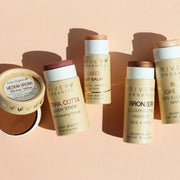
River Organics is one of the brands in our catalog that specifically focuses on plastic-free makeup formats, including stick-format highlighters, blushes, and lip products. Here is our independent evaluation of the brand.


The bigger picture
Emily Atkin's essay will not be the last piece of personal health journalism to touch on plastic exposure. The topic has enough momentum that coverage like this is likely to keep appearing, and each new piece tends to move a fresh wave of readers toward asking what they can actually change. For most people, the beauty routine is one of the most actionable places to start, because the swaps are concrete, the products exist, and the daily reduction in plastic contact is real even if it is hard to measure.
We covered the foundational case for this shift in our earlier piece on plastic-free makeup and fewer-packaging formats. This update adds one more reason the conversation is not slowing down.
Helpful swaps if you are shopping

IDUN Minerals Inc.



























