


Something is changing in the personal care aisle, and it starts with your toothbrush. Oral care, long treated as a purely functional category, is being reimagined as part of a broader beauty and self-care ritual. A May 2026 report from Starts at 60 captures the shift clearly: brands are investing in elevated formulations, refined aesthetics, and ingredient transparency in oral care the same way they have in skincare for years. For conscious shoppers, that repositioning is worth paying attention to, because it is also accelerating the availability of lower-waste, lower-tox alternatives.
From Drugstore Staple to Intentional Ritual
The convergence of oral care and beauty is not just a marketing move. It reflects a genuine change in how people think about their daily routines. When a brand designs a whole-mouth care system with the same ingredient rigor and sensory attention as a premium skincare line, it signals that consumers are asking harder questions about what goes in their mouths, not just on their skin.
That scrutiny is good news for sustainability. Conventional oral care is one of the most plastic-heavy corners of the bathroom. A typical household cycles through multiple plastic toothpaste tubes, disposable floss containers, and mouthwash bottles every year, most of which end up in landfill. As oral care earns more attention as a beauty category, brands competing for that audience have stronger incentive to differentiate on packaging, ingredients, and environmental impact.
The broader Beauty and Care category at Shifting Gaia reflects exactly this kind of evolution, where personal care products are evaluated not just for efficacy but for their full footprint.
What the Sustainability Trend Signals for Oral Care Shoppers
The same sustainability trends reshaping skincare are now arriving in oral care. Shoppers who have already swapped plastic shampoo bottles for bars, or switched to refillable deodorant, are a natural audience for plastic-free toothpaste tablets, compostable floss, and powder-based tooth cleaners. The Guardian recently highlighted how easy swaps in personal care routines can meaningfully cut plastic use, and oral care is one of the most accessible places to start.
Here is what to look for when evaluating oral care products through a sustainability lens:
- Packaging format. Powder, tablet, and bar formats eliminate the need for plastic tubes entirely. Glass jars and compostable pouches are meaningful upgrades over conventional squeeze tubes.
- Ingredient transparency. Just as the slow beauty movement in skincare pushes for shorter, recognizable ingredient lists, the same standard applies to toothpaste and mouthwash. Avoid unnecessary synthetic dyes, artificial sweeteners, and microplastic-adjacent thickeners.
- Certifications. Third-party verification matters. Look for cruelty-free, vegan, and organic certifications where applicable. Shifting Gaia's certifications page explains what different labels actually mean so you can shop with confidence.
- Brand ethics. Who makes the product, and how? A brand's sourcing practices, labor standards, and corporate transparency are part of the full picture. Our brands directory surfaces that context for every brand we carry.
Plastic-Free Oral Care Is a Beginner-Friendly Swap
One reason oral care is such a compelling entry point for low waste living is that the swap is genuinely simple. You are not replacing a complex appliance or overhauling a wardrobe. You are replacing a tube of toothpaste with a small glass jar of tooth powder, or swapping a plastic-wrapped floss pick for a refillable dispenser. The learning curve is minimal, and the reduction in single-use plastic is immediate.
Tooth powder, in particular, is having a moment. Powder formulas have been used for centuries and are now being reformulated with cleaner, food-grade ingredients. They ship lighter than paste, which reduces transport emissions, and they typically come in packaging that is either recyclable or compostable. For anyone already practicing low waste living in the kitchen or laundry room, oral care is a natural next room to address.
The parallel momentum in plastic-free personal care more broadly is worth noting. The same consumer energy driving interest in shampoo bars and conditioner bars is now flowing into oral care. Both categories reward the same shopping instincts: read the ingredient list, check the packaging, verify the brand's values.
Two Products Worth Considering
If you are ready to make a swap, these two products represent different but complementary entry points into sustainable personal care. The shampoo bar is a plastic-free upgrade for your shower routine, while the tooth powder addresses oral care directly.


SHOWER CANDY
Fragrance Free Shampoo Bar – Hydrating for All Hair Types


BeNat
All-Natural Tooth Powder. Eco-Friendly.
The Shower Candy shampoo bar is a good example of how plastic-free formats have matured. It is fragrance-free, which matters for anyone with sensitivities, and it is designed for all hair types, making it a practical everyday swap rather than a niche product. You can explore more from Shower Candy in their dedicated collection.
BeNat's tooth powder is the more directly oral-care-relevant pick here. It is a plastic-free alternative to conventional toothpaste that fits neatly into the trend this article is tracking. Our independent evaluation of BeNat reflects well on the brand's approach to ingredient integrity and sustainable packaging.
How Shifting Gaia Evaluates Oral Care Brands
Not every brand that markets itself as sustainable deserves the label. Shifting Gaia uses a structured rating methodology that looks at sustainability practices, ingredient and material safety, social responsibility, ethical sourcing, and corporate governance. These are independent editorial evaluations, not popularity scores or customer votes. You can read more about how that process works on our How We Rate page.
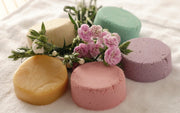
BeNat, whose tooth powder is featured above, earns a Top Choice rating under that framework. Here is a closer look at our evaluation of the brand:
The Bigger Picture for Sustainable Beauty and Personal Care
The elevation of oral care into the beauty conversation is part of a broader maturation of the sustainable beauty and personal care market. Consumers are no longer willing to treat sustainability as a premium add-on. They expect it as a baseline, and brands that cannot meet that expectation are losing ground to those that can.
That shift is visible across the categories Shifting Gaia covers. The slow beauty movement, the rise of plastic-free skincare, and now the repositioning of oral care all point in the same direction: people want products that work, that they can feel good about using, and that do not leave a trail of plastic waste behind them.
If you are building out a lower-impact personal care routine, oral care is one of the most accessible places to start. The products exist, the formats are practical, and the ingredient transparency is improving. Browse the full Beauty and Care collection to find options that have been vetted for both performance and sustainability.
And if you are curious about how the plastic-free movement is playing out in other rooms of the house, our article on plastic-free kitchen and food storage covers similar ground for the kitchen, where the same logic of swapping single-use plastic for durable or compostable alternatives applies just as well.




























