

In May 2026, eighteen young Americans went to court to demand an immediate halt to what they describe as the Trump administration's most significant rollbacks of pollution and climate protections. Reported by The Guardian, the lawsuit argues that executive orders fueling the climate crisis and worsening toxic pollution directly impinge on the plaintiffs' constitutional rights to life and liberty. One of the lead plaintiffs, 20-year-old Eva Lighthiser, has become a visible face of a broader generational movement that is no longer content to wait for political cycles to catch up with the science.
For anyone paying attention to sustainability trends, this moment carries a clear message. When young people take legal action over pollution policy, it reflects something deeper than activism. It reflects a lived experience of environmental harm, and a growing refusal to accept that harm as inevitable. That same energy is reshaping how a generation shops, what they demand from brands, and which products they are willing to bring into their homes.
Why Pollution Policy Matters to Everyday Product Choices
Pollution rollbacks do not stay abstract for long. Weaker air quality standards, loosened limits on industrial toxins, and reduced oversight of chemical manufacturing all have downstream effects on the products that end up on store shelves and in household routines. When regulatory floors drop, the burden of scrutiny shifts to consumers and to the independent platforms and certifying bodies that evaluate products on their behalf.
This is exactly why ethical shopping has grown beyond a lifestyle preference into something closer to a practical response. Choosing products that are formulated without known toxins, made with lower-impact materials, and backed by credible certifications is one of the most direct ways individuals can act on the same values that young plaintiffs are arguing for in court.
If you want to understand how Shifting Gaia evaluates the brands it carries, the How We Rate page walks through our independent methodology, which covers sustainability, ingredient and material safety, social responsibility, ethical sourcing, and corporate governance. It is worth reading alongside any product decision you make here.
The Generational Signal and What It Tells Conscious Shoppers
The plaintiffs in this lawsuit are part of a generation that grew up with climate anxiety as a background condition. They are also the generation most likely to research a brand before buying, to care about supply chain transparency, and to walk away from a product that cannot explain what is in it or how it was made.
That behavioral pattern is not just a niche concern. It is reshaping entire product categories. In personal care, home goods, and apparel, brands that can demonstrate genuine lower-impact credentials are gaining ground precisely because a growing share of shoppers, especially younger ones, are treating product choices as a form of accountability that does not depend on government action.
For shoppers who want to go further than individual purchases, understanding which certifications carry real weight is a useful starting point. The certifications page on Shifting Gaia explains what different third-party standards actually verify, so you can read labels with more confidence.
Low Waste Living as a Practical Response
One of the clearest expressions of this trend is the continued growth of low waste living as a shopping framework. When pollution protections weaken, the case for reducing the volume of waste, packaging, and synthetic chemicals entering the environment becomes more urgent, not less. Choosing reusable, plastic-free, or non-toxic alternatives is not a symbolic gesture. It is a measurable reduction in the demand that drives polluting production in the first place.
This applies across categories. In the home, it means looking at cleaning products, dishwasher tabs, and household staples through the lens of what goes down the drain and into waterways. In fashion, it means asking about fiber content, dye processes, and whether a garment is designed to last. You can explore lower-impact options across both areas in the Home and Family collection and the Fashion and Apparel collection on Shifting Gaia.
The brands carried on this platform are evaluated independently, not selected by popularity or customer votes. Our brands page gives an overview of who we carry and why, which is useful context when you are trying to distinguish genuine sustainability commitments from marketing language.
Holding Brands Accountable When Policy Falls Short
The lawsuit filed by these eighteen young Americans is, at its core, an argument about accountability. When institutions fail to protect people from harm, other mechanisms have to fill the gap. For conscious shoppers, one of those mechanisms is purchasing power directed toward brands that are doing the work regardless of what the regulatory environment requires of them.
That means looking for brands that disclose ingredients fully, that pursue third-party certifications voluntarily, that use materials with lower environmental footprints, and that can explain their supply chains. It also means being willing to pay a modest premium for products that meet a higher standard, because that premium is part of what makes those standards economically viable for brands to maintain.
The connection between a courtroom in 2026 and a dishwasher tab or a recycled-fiber shirt might not be obvious at first. But the underlying logic is the same. Both are responses to a system that has not yet fully priced in the cost of pollution and environmental harm. Both are ways of insisting that a lower-impact future is possible and worth working toward.
Shop the Topic
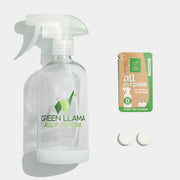
Two products that reflect the low waste, non-toxic values at the center of this conversation: a plastic-free, fragrance-free dishwasher tab from Green Llama that skips PVA film and synthetic fragrance, and a durable recycled-material towel from Nomadix that is built to replace single-use and fast-fashion alternatives. Both are evaluated under our independent rating framework.


Green Llama
NEW - Fragrance & PVA Free Dish Washer Tabs - No Plastic, Non Toxic


Nomadix