

A few days ago we covered how extended producer responsibility pressure was nudging more brands toward plastic-free makeup formats. That story was largely about the supply side: policy, brand incentives, and reformulation. What is shifting this week is the demand side. Community-level campaigns focused on refusing single-use plastics in July are putting the same conversation in front of shoppers who have never thought much about what their concealer tube is made of.
A report from the Mid-Ohio Valley, published June 27, highlights how local climate advocates are encouraging residents to audit their plastic use across all categories, including personal care, during July. That kind of grassroots framing tends to reach people who are not already deep in the zero-waste world. It meets them where they are, which is standing in front of a bathroom mirror wondering whether there is a better option.
Why makeup packaging is a meaningful place to start
Beauty and personal care products generate a significant share of household plastic waste, and makeup is one of the harder categories to address. Most conventional products combine multiple materials: a plastic tube, a metal component, a synthetic brush, a cardboard sleeve. Very few of those combinations are recyclable in practice, even when individual pieces technically could be.
Fewer-packaging formats sidestep that problem by reducing the number of components from the start. The most common approaches shoppers are finding right now include:
- Multi-use sticks and balms that replace several single-purpose products with one compact format, often in paper, cardboard, or minimal metal packaging.
- Refillable compacts and pots where the outer case is designed to last and only the product itself is replaced.
- Solid or pressed formats that eliminate the need for a plastic pump or tube entirely.
- Minimal or naked packaging where the product ships with only a paper wrap or compostable sleeve.
Each of these approaches has trade-offs in terms of texture, application, and shelf life, but the category has matured enough that performance is no longer the main barrier for most shoppers.
Multi-use makeup sticks are the format getting the most attention
Among the formats gaining traction, multi-use makeup sticks stand out because they solve two problems at once: they reduce packaging and they simplify a routine. A single stick that works on lips, cheeks, and eyes means three fewer plastic tubes in a makeup bag. For shoppers who are new to low waste beauty, that kind of consolidation is a more approachable entry point than overhauling an entire routine.
The format also travels well, which matters for shoppers who are already thinking about reducing single-use toiletry packaging when they are away from home. A refillable or minimal-packaging multi-stick fits neatly into the same mindset as a shampoo bar or a solid cleanser.
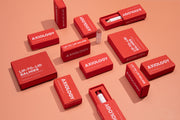
Brands like Axiology have built their entire product line around this idea, offering multi-use color sticks in packaging that is designed to be as low-waste as possible. IDUN Minerals approaches the same space from a mineral makeup angle, with formats that tend to use less packaging than conventional liquid or cream alternatives.
What conscious shoppers are actually weighing
Based on the broader trend toward plastic-free living that is showing up in community retail spaces and local advocacy campaigns, shoppers are asking a few practical questions when they consider switching formats:
- Does it actually work as well? Performance skepticism is real, especially for color cosmetics. The honest answer is that it depends on the product and the use case. Multi-use sticks tend to perform well for a natural or dewy finish. They are less suited to full-coverage or highly pigmented looks.
- Is the packaging claim real? Terms like eco-friendly and sustainable are not regulated in cosmetics. Shoppers are getting better at looking past marketing language toward specifics: what is the packaging actually made of, is it recyclable or compostable in practice, and does the brand publish that information clearly.
- How does it fit into a routine that already exists? Most people are not starting from scratch. The most successful swaps tend to be one-for-one replacements, a multi-stick instead of separate blush and lip products, rather than a complete overhaul.
You can read more about how we evaluate the brands behind these products on our How We Rate page, and browse the full range of vetted options on our brands directory.
How this connects to a wider low-waste moment
The plastic-free makeup conversation does not exist in isolation. The same impulse driving shoppers toward fewer-packaging color cosmetics is showing up in cleaning products, haircare, and kitchen staples. We covered a parallel shift in refillable home care this week, and the pattern is consistent: shoppers who start with one category tend to expand their thinking over time.
Makeup is actually a useful gateway because the stakes feel lower than, say, switching a household cleaner. A lip and cheek stick that does not perform can be set aside without much disruption. That low-risk quality makes it a good first swap for someone who is curious about minimal packaging beauty but not ready to commit to a full routine change.
Zero-waste retail spaces, like the one profiled in Anoka, Minnesota earlier this month, are seeing this pattern play out in person. Shoppers come in for one thing and leave having discovered that the format options are broader than they expected. That discovery dynamic is part of what is sustaining the trend beyond the early-adopter audience.
What to look for when you shop plastic-free makeup
If you are ready to make a swap, a few things are worth checking before you buy:
- Packaging material specifics. Paper and cardboard are generally better than plastic, but not all paper packaging is created equal. Look for brands that specify whether their packaging is FSC-certified, recycled content, or compostable.
- Ingredient transparency. Fewer-packaging formats sometimes use different preservative systems or binders than conventional products. If you have sensitive skin or specific ingredient concerns, check the full ingredient list rather than relying on front-of-pack claims.
- Certifications that are independently verified. Leaping Bunny for cruelty-free, EWG Verified for ingredient safety, and B Corp for overall business practices are among the more meaningful signals. Our rating methodology explains how we weigh these and other factors in our independent evaluations.
- End-of-life options. Some brands offer take-back programs or clearly label which components can be recycled curbside versus which need to go to a specialist facility. That information matters if your goal is to close the loop, not just reduce plastic at the point of purchase.
Helpful swaps if you are shopping
If you are looking for a practical starting point, a multi-use color stick is one of the easiest first swaps in the plastic-free makeup space. Axiology's Tinted Dew Multi-Stick is designed to work on lips, cheeks, and eyes in a single compact format with minimal packaging. For a broader kit that covers brows, blush, and lip care together, River Organics offers a bundled set that keeps packaging to a minimum across multiple products.


River Organics