


You've almost certainly worn lyocell without knowing it.
It's in the T-shirt that drapes better than it should for the price. The sheets that feel cool at 2am when cotton has gone clammy. The jeans that somehow don't feel like jeans. Check the label of anything you own that's suspiciously soft, and there's a fair chance it says lyocell, TENCEL, or some combination of the two that raises more questions than it answers.
And that's where most people get stuck. Because lyocell is made from trees, which sounds lovely, but it's also made in a factory, which sounds less lovely, and somewhere between those two facts the internet has decided it's either the most sustainable fabric on earth or a plastic in a nice dress.
It's neither. It's a good fabric with a good process and a handful of real caveats, and the caveats are the interesting part. Let's get into it.
Related reading: our fashion collection, bedding & linens, how we rate brands, certifications explained
Lyocell At A Glance
- What it is: A fibre made by dissolving wood pulp and spinning it back out as thread. Natural raw material, industrial process.
- Natural or synthetic? Neither, technically. It's semi-synthetic, or "regenerated cellulose" if you want the proper term.
- Is it plastic? No. No petroleum, no microplastic shedding, and it biodegrades.
- Lyocell vs TENCEL: TENCEL is a brand of lyocell, made by Lenzing. All TENCEL is lyocell; not all lyocell is TENCEL. This distinction matters more than it sounds.
- The big win: The solvent used to dissolve the pulp is recovered and reused at around 99%, which is why lyocell is dramatically cleaner than viscose.
- The catch: "Lyocell" on a label tells you the process, not the forest. Sourcing is where the real questions live.
What Is Lyocell, Actually?
Lyocell is a regenerated cellulose fibre. Which is a phrase designed to make your eyes slide off the page, so here's the plain version.
Take wood. Break it down into pulp. Dissolve that pulp in a solvent until you've got a thick honey-like solution. Push that solution through a showerhead full of microscopic holes into a bath, where it solidifies into long filaments. Wash, dry, spin into yarn, weave into fabric. Wear it.
That's it. You've taken cellulose — the stuff that makes plants structurally plant-shaped — and rearranged it into something you can put on your body. The cellulose molecule itself doesn't fundamentally change. You're not inventing a new material out of oil the way you are with polyester. You're reorganising one that already existed.
The process was developed in 1972 by researchers in North Carolina, refined through the 1980s by British firm Courtaulds, and eventually landed with the Austrian company Lenzing, who make most of the world's good lyocell today.
Lyocell vs TENCEL: The Difference That Actually Matters
Here is the single most useful thing in this article, so we'll be blunt about it.
Lyocell is the fibre. TENCEL is a brand of that fibre.
It's the Kleenex-and-tissues thing. All TENCEL Lyocell is lyocell. Plenty of lyocell is not TENCEL — it's made by other producers, in other mills, to other standards.
Why does that matter? Because the sustainability case for lyocell rests almost entirely on how it's produced: whether the solvent is recovered and reused, whether the wood came from responsibly managed forests, whether the mill has emissions controls. A closed-loop system is a impressive piece of industrial engineering. Not every producer runs one.
So when a label just says "100% lyocell," you know the fibre type but nothing about the mill. When it says TENCEL Lyocell, you know it came from Lenzing, whose closed-loop process, wood sourcing standards, and third-party certifications are documented and audited. The forest-conservation group Canopy, which ranks cellulosic producers on sourcing risk, has consistently placed Lenzing among the strongest performers in the industry.
It's not that generic lyocell is bad. It's that generic lyocell is unknown, and unknown is a different thing from fine.
Practical takeaway: if a brand has gone to the trouble of specifying TENCEL on the label, that's a small but real signal about how much attention they pay to their supply chain. If they haven't, it's worth asking.
What Is Lyocell Made Of?
Wood pulp, from fast-growing hardwoods. Most commonly:
- Eucalyptus — the headline act, and the reason you see "eucalyptus sheets" everywhere. Grows fast, on marginal land, with far less water than cotton and generally no irrigation.
- Beech — the traditional source for modal, also used in lyocell.
- Birch and mixed softwoods — common in European production.
The other ingredient is the solvent: N-methylmorpholine N-oxide, mercifully abbreviated to NMMO. It's an organic compound that dissolves cellulose without chemically altering it, and it's non-toxic in the way that matters here — no carbon disulfide, which is the nasty solvent used in conventional viscose production and which has a long, documented history of harming factory workers' nervous systems.
In a closed-loop system, roughly 99% or more of that NMMO is captured after each batch and fed straight back in. Very little escapes. That recovery rate is the entire environmental argument for lyocell in a single number, and it's the reason this fibre gets talked about differently from its cousins.
Is Lyocell A Natural Fibre?
No, and anyone selling it to you as one is being loose with the truth.
Lyocell is semi-synthetic. The raw material is natural — it's a tree — but it's been chemically dissolved and reconstituted, which is not something that happens to cotton or linen or wool. Those fibres are harvested and spun; the fibre you wear is structurally the fibre that grew.
The category term is man-made cellulosic fibre, or MMCF, which covers lyocell, viscose, modal, cupro and rayon. Natural origin, industrial processing.
Does the distinction matter practically? A bit. It means lyocell isn't a "raw" fabric in the way linen is, and it means the environmental question is mostly about the factory, not the farm — the opposite of cotton, where the growing is the problem and the spinning is comparatively benign.
Is Lyocell Plastic?
No. This one's actually clean-cut.
Plastic, in the sense people mean when they're worried, is a polymer synthesised from petroleum — polyester, nylon, acrylic. Lyocell contains no petroleum. Its polymer is cellulose, which grew in a tree.
The consequence people care about most: lyocell does not shed microplastics. Polyester sheds thousands of synthetic fibres into wastewater every wash, and those fibres persist essentially forever. Lyocell sheds cellulose fibres, which biodegrade the way a leaf does. Lenzing holds third-party certification for the biodegradability of TENCEL Lyocell in soil, freshwater and marine conditions.
The asterisk — and there's always an asterisk — is blends. A garment that's 60% lyocell and 40% polyester sheds microplastics, biodegrades incompletely, and can't be recycled cleanly. The lyocell doesn't neutralise the polyester. If biodegradability is your reason for buying, check that the composition is 100% lyocell, or lyocell blended only with other cellulosics or natural fibres.
Is Lyocell Toxic?
Not to wear, no.
The finished fibre is inert cellulose. There's no residual solvent in a properly manufactured fabric, NMMO isn't a bioaccumulative compound, and lyocell is one of the fibres most commonly recommended for sensitive skin — it's smooth-surfaced, moisture-wicking, and naturally inhospitable to the bacteria that cause odour and irritation.
The toxicity question is really a factory question rather than a wearer question, and there the answer depends on the mill. In a closed-loop TENCEL plant, solvent recovery is near-total and worker exposure is minimal. In an unregulated mill producing generic lyocell to no particular standard, you have less information, and less information is the actual risk.
Where you might want to look more closely is the finishing: dyes, softeners, wrinkle-resistant treatments, anything applied after the fibre exists. That's true of any fabric. OEKO-TEX Standard 100 certification tests the finished textile for harmful residues, which is why we flag it — you can browse OEKO-TEX certified products directly if that's a priority.
Lyocell vs Cotton, Viscose, Modal & Bamboo
The comparison everyone actually wants. Here's the honest version of each.
Lyocell vs cotton. Lyocell uses substantially less water — cotton is thirsty even in its organic form, and conventional cotton is one of the most pesticide-intensive crops on earth. Lyocell is also more absorbent, drapes better, and wicks moisture more effectively, which is why it wins for bedding and hot sleepers. Cotton wins on durability under hard use, on repairability, on price, and on being a natural fibre with no factory chemistry involved. Neither is universally better. Cotton for a workhorse T-shirt, lyocell for anything you want to feel nice.
Lyocell vs viscose. This one isn't close. Same family, same starting material, radically different manufacturing. Viscose uses carbon disulfide in an open process with a long record of occupational harm and water pollution. Lyocell uses a non-toxic solvent in a closed loop. If you take one thing from this comparison: when you see "viscose" or "rayon" on a label with no further detail, that's the one to be sceptical of.
Lyocell vs modal (and what TENCEL Modal is). Modal is another cellulosic, traditionally made from beechwood via a modified viscose process — cleaner than standard viscose, but not the closed-loop system lyocell uses. Modal is softer and stretchier; lyocell is stronger, especially when wet, and more absorbent. Lenzing produces both under the TENCEL name, which is why you'll see TENCEL Modal and TENCEL Lyocell side by side and reasonably wonder what's going on. Modal for underwear and softness; lyocell for structure, strength and sheets.
Lyocell vs bamboo. Here's the murky one. Bamboo is a plant, and turning it into fabric requires the same dissolve-and-respin process as any other cellulosic. The overwhelming majority of "bamboo" clothing is bamboo viscose — carbon disulfide and all — despite marketing that implies you're wearing a lightly processed grass. Regulators including the US FTC have repeatedly gone after brands for labelling bamboo rayon as though it were natural bamboo fibre.
Bamboo lyocell is the exception, and a legitimate one: bamboo pulp processed through the closed-loop lyocell method. It's better, and if you're shopping bamboo bedding it's the version to look for — ettitude's CleanBamboo range is built on exactly this. Just don't assume "bamboo" means "bamboo lyocell." It usually doesn't.
What Lyocell Is Actually Like To Live With
Enough chemistry. How does it wear?
Breathable — genuinely, not just on the label. Lyocell's fibre structure absorbs moisture into the fibre itself rather than leaving it sitting on the surface, so it pulls sweat off your skin faster than cotton and feels cool to the touch. This is the main reason it dominates the "sheets for hot sleepers" category.
Soft, with a fluid drape. Smoother fibre surface than cotton, which is why it feels almost slippery and why it hangs the way it does. Dresses and wide-leg trousers in lyocell move beautifully.
Not inherently stretchy. Pure woven lyocell has roughly the give of a nice cotton poplin, which is to say not much. Stretch comes from either a knit construction or a few percent of elastane in the blend. If you're buying lyocell jeans expecting stretch, check the composition.
Strong when wet, unusually so for a cellulosic — one of lyocell's real technical advantages, and why it survives washing better than viscose.
Odour-resistant. The moisture management means less of the damp surface environment bacteria like. Practically: you can wear it more times between washes, which is its own quiet sustainability win.
It creases. More on that below, because it belongs in the disadvantages.
The Honest Disadvantages Of Lyocell
We'd rather you heard this from us than discovered it after buying four things.
It wrinkles. Lyocell creases readily, and unlike linen — where creasing is the aesthetic — lyocell can just look a bit crumpled. It falls out with hanging or a cool iron, but if you want low-maintenance, this isn't it.
It can shrink on the first wash. Typically 2–5% if you're careless with heat. Manageable, and covered below, but real.
It's not cheap. The process is capital-intensive and the good stuff is made in a handful of plants. Expect to pay more than cotton for the equivalent garment.
Eucalyptus plantations aren't nature. Fast-growing monocultures support far less biodiversity than the mixed forest they often replace, and in some regions they're water-hungry at a landscape scale even while the fibre itself uses little processing water. FSC and PEFC certification helps, but "made from trees" is not automatically "good for forests," and anyone telling you otherwise is skipping a step.
Sourcing risk is real. Cellulosic supply chains have historically included pulp from ancient and endangered forests. The good producers have publicly committed to avoiding it and are audited against that. The unnamed ones haven't and aren't.
Blends undo most of it. As above: lyocell mixed with polyester inherits polyester's problems.
And the big one — it's still industrial. Closed-loop is much better than open-loop, not the same as no impact. There's energy, transport, chemistry and water in every metre of this fabric. It's a strong choice among manufactured fibres. It isn't a free lunch, and the most sustainable garment remains the one already in your wardrobe.
How To Care For Lyocell (And Stop It Shrinking)
Almost all lyocell complaints trace back to heat.
- Wash cold, on a gentle cycle. Warm water plus agitation is what causes the 2–5% shrink.
- Air dry where you can. If you must tumble, use low and pull it out slightly damp.
- Skip the fabric softener. It coats the fibre and kills the moisture-wicking that you paid for.
- Iron cool, while slightly damp, if you're fighting creases. Or hang it in a steamy bathroom and let physics handle it.
- Wash less. Odour-resistance is a feature — use it. Fewer washes means less shrinkage, less energy, and a longer garment life.
- Store folded rather than hung for heavy knits, which can stretch on a hanger.
Our laundry collection has gentle detergents if you want to keep the whole routine low-tox.
Rated Brands Using TENCEL Lyocell
These are marketplace brands we've rated that work with lyocell in a meaningful way — not a token 5% in one style, but as a core material. As always, every brand here has been through our rating process before we'd stock it, and nobody pays to be included.
Reistor


Reistor is the most lyocell-committed brand we stock, and the one to look at if you want to understand what the fibre can do. Their material palette runs almost entirely on hemp, organic cotton, linen and man-made cellulosics — TENCEL lyocell, modal and cupro — and their pyjama sets are 100% TENCEL, which is about as pure a demonstration of the fabric as you'll find. If you've been curious about lyocell but not ready to commit, sleepwear is the ideal entry point: it's where the breathability and temperature regulation are most obvious.
The detail we rate them highly for is dyeing. All their fabrics use low-impact dyes meeting OEKO-TEX Standard 100 and Bluesign criteria, which addresses the finishing-chemistry question we flagged earlier. Plenty of brands source a good fibre and then undo it at the dyehouse. They don't.
They also make TENCEL denim, which is worth knowing about if you want the look of jeans with considerably more breathability — useful in hot weather.
Worth knowing: minimal, non-trend-driven design. If you want statement pieces, this isn't the shelf. If you want things you'll still wear in five years, it is.
Reistor has been rated by Shifting Gaia. See the full rating.
Paneros Clothing



Paneros is the interesting one philosophically, because their first preference isn't lyocell at all — it's deadstock, fabric that already exists and would otherwise be wasted. Their TENCEL Lyocell pieces sit alongside that as the choice for when new fabric is needed.
We like that ordering of priorities. The most sustainable fibre is still a fibre that had to be made, and a brand that reaches for existing material first is applying the logic properly rather than treating a nice material as the end of the conversation.
The aesthetic is LA-based, print-forward and more feminine than most sustainable labels, produced with two artisan factories in Indonesia that they name publicly. GOTS cotton and OEKO-TEX fabrics elsewhere in the range.
Worth knowing: the highest price point on this list. These are occasion and statement pieces rather than basics.
ettitude
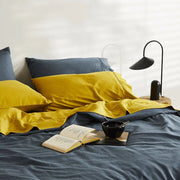


If lyocell's superpower is bedding, ettitude is where you'll feel it. Their CleanBamboo fabric is bamboo lyocell — bamboo pulp run through the closed-loop process rather than the viscose one — which puts them on the right side of the bamboo distinction we drew above.
For hot sleepers this is the category to try lyocell in first. The moisture-wicking that's merely pleasant in a T-shirt is transformative in sheets, and it's the one lyocell benefit that people tend to describe as immediately obvious rather than subtle.
Worth knowing: silky rather than crisp. If you're loyal to a crunchy percale or a laundered linen, this will feel like a different genre of bedding entirely — some people love it, some miss the crispness.
Tentree


Tentree is the accessible end of the shelf, with TENCEL pieces like their Tencel shirt dress alongside a wider range built on organic cotton and recycled materials. Prices sit well below the rest of this list, which matters — the sustainability conversation gets a bit airless when every recommendation costs $180.
Their planting programme is the headline most people know them for, though we'd point you to the materials and manufacturing first when judging them. Trees planted is a good thing. What the garment is made of is the more consequential thing.
Worth knowing: TENCEL is one material among several in their range rather than the whole story, so check individual product compositions rather than assuming.
Beyond apparel and bedding, lyocell has quietly taken over parts of period care too — Saalt uses TENCEL in its underwear, where breathability and moisture management matter. You'll find more across our intimates & sleepwear collection.
Lyocell FAQs
What does TENCEL mean? It's a trademark, not a fibre type. TENCEL is Lenzing's brand name for the lyocell and modal fibres it produces. The name was first registered in 1992, back when the fibre was made by Courtaulds.
Is lyocell the same as TENCEL? Not quite. TENCEL is always lyocell (or modal), but lyocell isn't always TENCEL. Same fibre category, different producers and different standards.
Does lyocell shrink? Slightly, usually 2–5% on the first wash, and mostly when heat is involved. Wash cold and air dry and you'll barely notice. TENCEL tends to be more dimensionally stable than generic lyocell.
Is lyocell stretchy? Not on its own. Woven lyocell has minimal give. Stretch in a lyocell garment comes from elastane in the blend or from a knit construction, so check the label.
Is lyocell breathable? Very — it's one of the fibre's strengths. It absorbs moisture into the fibre rather than trapping it against your skin, which is why it feels cool and why it's so popular for bedding and warm climates.
Is lyocell toxic? Not to wear. The finished fibre is inert cellulose, the solvent used is non-toxic and mostly recovered, and it's a common recommendation for sensitive skin. The questions worth asking are about the mill and the finishing chemistry, not the fibre itself.
Is lyocell a natural fibre? Semi-synthetic. Natural raw material, industrial process. The technical term is man-made cellulosic fibre.
Does lyocell wrinkle? Yes, fairly readily. It's probably the most common complaint. Hanging, steaming, or a cool iron sorts it out.
Is bamboo lyocell the same as bamboo viscose? No, and the difference is significant. Bamboo lyocell uses the closed-loop solvent process. Bamboo viscose — which is most "bamboo" fabric on the market — uses carbon disulfide. Same plant, very different manufacturing.
Is 100% lyocell better than a blend? For biodegradability and end-of-life, definitively yes. Blends with polyester shed microplastics and can't be composted or cleanly recycled. Blends with other cellulosics or natural fibres are much less of an issue.
Is lyocell good for underwear? It's one of the better options — breathable, moisture-managing, and naturally odour-resistant. Most lyocell or modal underwear includes a small percentage of elastane for fit, which is a reasonable trade-off for something that needs to actually stay up.
Final Thoughts On Lyocell
Lyocell is one of the few good-news stories in textiles, and it's worth being clear about why: it exists specifically because chemists in the 1970s looked at how viscose was made and decided there had to be a less harmful way to do it. There was. That's the whole thing.
But "better than viscose" is a low bar, and the fabric deserves a more precise compliment than the marketing usually gives it. Lyocell is a well-engineered fibre with an unusually clean manufacturing process, made from a renewable raw material, that biodegrades at the end of its life and feels lovely along the way. It is not a magic fabric, it is not a natural fibre, and it does not make a garment sustainable on its own — a badly made lyocell dress from a brand that won't tell you where its pulp comes from is still a badly made dress.
So: look for TENCEL rather than unspecified lyocell where you can. Check whether it's blended with polyester. Wash it cold. And then wear it for years, which remains the single most sustainable thing anyone can do with any fabric, no matter how clever the chemistry.
Shop rated brands working with TENCEL lyocell across our fashion and bedding collections. Every brand independently evaluated, no paid placements, ever.
Editor's note: Published August 2026. We update our materials guides as production standards and certifications evolve.




























